

Blog
ETPEAK Power Stations: Pure Sine Wave, Runtime Math, and LiFePO₄ Longevity


By now, you’ve seen the specs and matched a model to your lifestyle. But have you ever wondered why one station uses modified sine wave while another uses pure sine wave? Or how to accurately estimate how long your fridge will run on a single charge?
At ETPEAK, we believe informed users get the best experience. So let’s lift the hood and explore the technology that powers our portable stations—along with practical tips to maximise performance, safety, and battery life.
1. Modified Sine Wave vs. Pure Sine Wave – Which One Do You Need?
This is one of the most common questions among power station buyers. Here’s the simple breakdown:
| Waveform Type | Models | Best For |
|---|---|---|
| Modified Sine Wave | ETPEAK‑150W, ETPEAK‑300W Compact, ETPEAK‑300W Bluetooth | Simple resistive loads: LED lights, phone chargers, fans, heating blankets, basic power tools |
| Pure Sine Wave | ETPEAK‑600W Metal, ETPEAK‑600W Bluetooth, ETPEAK‑1100W | Sensitive electronics: CPAP machines, medical devices, laptops, projectors, audio equipment, variable‑speed motors, refrigerators |
2. How to Calculate Real Runtime (Do the Math)
The battery capacity is listed in Watt‑hours (Wh) – for example, 192Wh, 512Wh, or 1100.8Wh. But you won’t get 100% of that in real‑world use due to inversion losses (converting DC battery power to AC outlet power) and heat dissipation.
The practical formula:
Estimated Runtime (hours) = (Battery Wh × 0.85) ÷ Load Power (Watts)
The 0.85 factor accounts for ~15% efficiency loss during DC‑to‑AC conversion.
Let’s test it with real examples:
ETPEAK‑300W Compact (192Wh) powering a 40W laptop:
(192 × 0.85) ÷ 40 = 4.08 hours – enough for a full work session outdoors.
ETPEAK‑600W Metal (512Wh) powering a 60W CPAP machine:
(512 × 0.85) ÷ 60 = 7.25 hours – a full night’s sleep with room to spare.
ETPEAK‑1100W (1100.8Wh) powering a 150W mini‑fridge:
(1100.8 × 0.85) ÷ 150 = 6.2 hours – perfect for a day‑long market stall or picnic.
For DC outputs (USB‑A, USB‑C, and 12V car ports), the loss is much lower—closer to 5%—since no inversion is needed. Use the AC formula only when running devices from the 220V socket.
3. Solar Charging – What You Need to Know
All ETPEAK stations support solar input, but the panels aren’t always included. Here are the input ratings per model:
| Model | Solar Input | Approx. Solar Charge Time |
|---|---|---|
| 150W / 300W Compact | 15V / 40W | ~6 hours |
| 300W Bluetooth | 15V / 50W | ~6 hours |
| 600W Metal | Supported (not specified, compatible with 100W) | ~7‑8 hours |
| 600W Bluetooth | 15V / 100W | ~6 hours |
| 1100W | 15V / 200W | ~5 hours |
4. LiFePO₄ – The Battery That Keeps Going
Every ETPEAK station uses LiFePO₄ (Lithium Iron Phosphate) cells. Here’s why that’s a big deal:
Feature
LiFePO₄
Standard Li‑ion (NMC)
Cycle Life (to 80% capacity)
2,000 – 3,000 cycles
500 – 800 cycles
Thermal Runaway Risk
Very low
Moderate
Weight
Slightly heavier
Lighter
Operating Temp
-20°C to 60°C
0°C to 45°C
What 2,000 cycles mean in real life: If you fully discharge and recharge your station every day, it will still retain 80% of its original capacity after 5.5 years. For weekly users, that’s over 38 years of service. That’s why we confidently stand behind this chemistry—it’s a long‑term investment, not a disposable gadget.
5. Smart Usage & Maintenance Tips
To keep your ETPEAK station running at peak performance for years, follow these simple guidelines:
Avoid deep discharges: While LiFePO₄ is robust, try not to drain the battery below 10% regularly. Recharge when it hits 20–30% for optimal longevity.
Store in moderate temperatures: Keep your station between 0°C and 40°C during storage. Extreme heat accelerates degradation; extreme cold temporarily reduces capacity.
Recharge every 3‑4 months: If storing unused for long periods, give it a top‑up charge to keep the battery management system (BMS) active and cells balanced.
Check starting wattage: Even if a device runs at 100W, motors can draw 3‑5 times that during startup. The 20ms peak power rating (e.g., 600W peak on the 300W models) covers these spikes—but make sure the sustained draw stays under the continuous rating.
Use the correct adapter: Only use the supplied DC5521 or DC5525 adapters (14.6V). Third‑party chargers with different voltages may damage the BMS.
6. Quick Feature Comparison – Waveform & Ports
If you’re still comparing two models, here’s the cheat sheet:
| Model | Waveform | USB‑C PD | Bluetooth Speaker | Best Use Case |
|---|---|---|---|---|
| 150W | Modified | No | No | Ultra‑light travel |
| 300W Compact | Modified | No | No | Compact daily carry |
| 300W Bluetooth | Modified | 2 × 65W | Yes | Campsite parties |
| 600W Metal | Pure Sine | 1 × 65W | No | Home/medical backup |
| 600W Bluetooth | Pure Sine | 2 × 65W | Yes | Premium outdoor |
| 1100W | Pure Sine | 1 × 65W | No | Heavy‑duty & whole‑home |
Final Word – Power with Confidence
Understanding your equipment transforms a good product into a great experience. Whether you’re calculating runtimes for a film shoot, sizing solar panels for an off‑grid cabin, or simply ensuring your CPAP runs safely through the night—ETPEAK stations are engineered to deliver reliable, clean, and long‑lasting power.
Have more technical questions? Our support team is just a click away. Visit hzbetpeak.com for detailed datasheets, bundle deals, and expert advice.
ETPEAK – Engineering Portable Energy for the Real World.
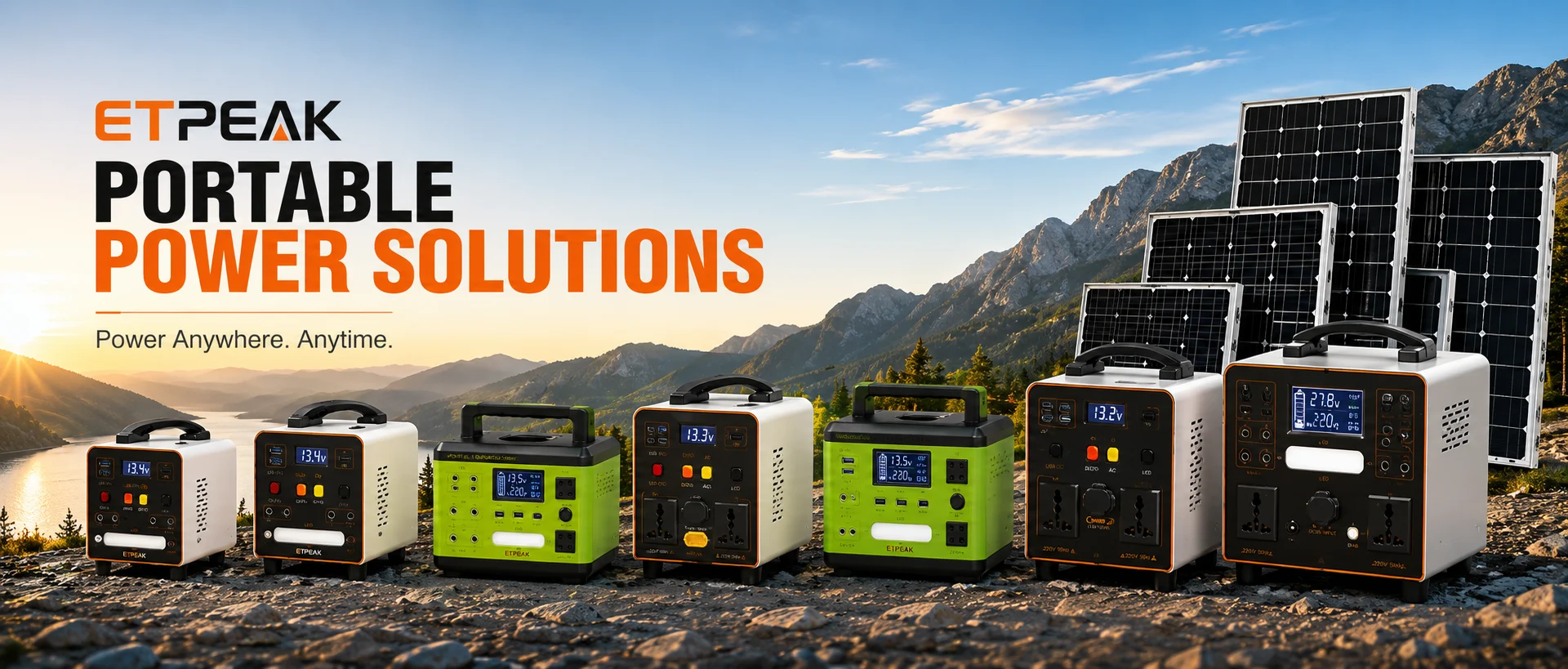
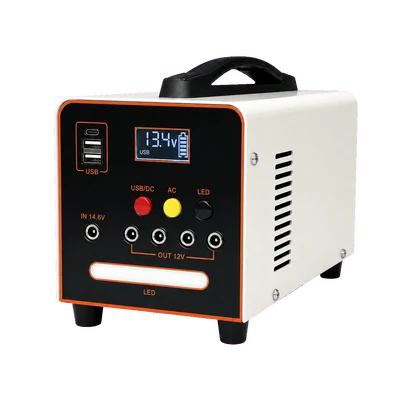 150W
150W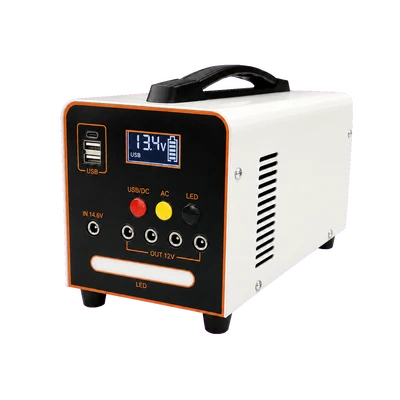 300W
300W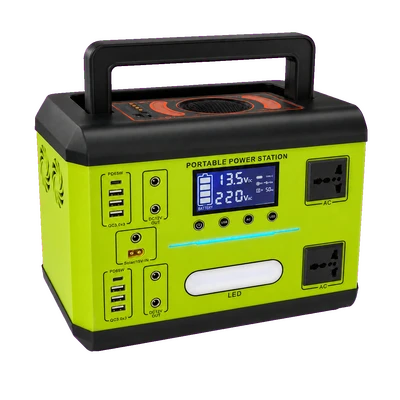 BT300
BT300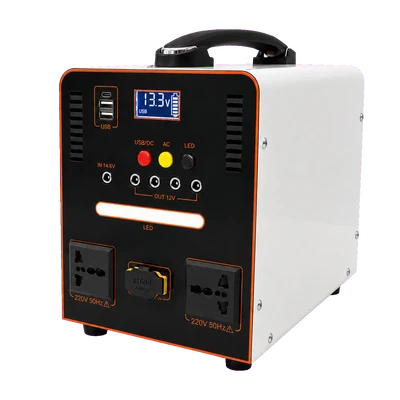 600W
600W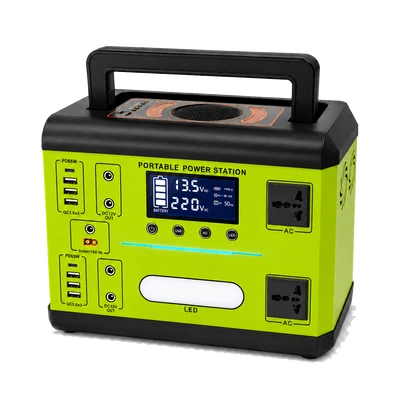 BT6OOW
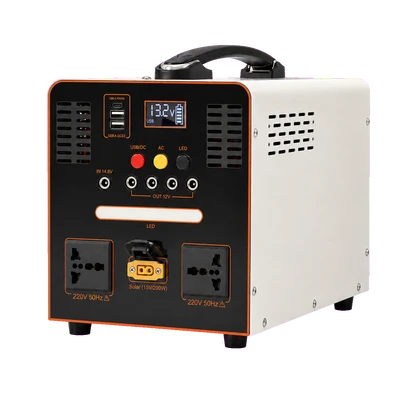 1100W
1100W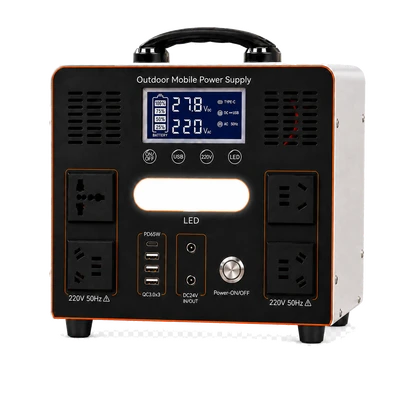 2200W
2200W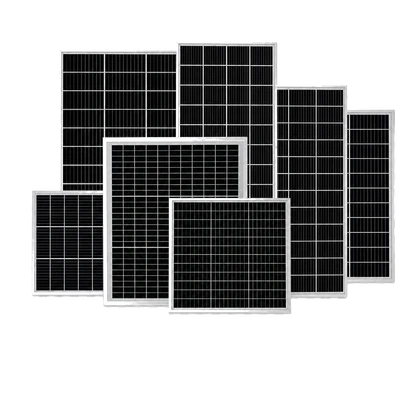 Solar Panel